 The
The There is a particular kind of problem a members' club faces when it becomes successful: the more people who want in, the less it is worth being in. Soho House has spent nearly three decades circling that contradiction, and in 2026 it intends to run straight through the middle of it. The company has laid out a slate of openings that reads less like a curated calendar and more like a land grab—a first house in Japan, a fourth outpost in New York, a working farmhouse rising in the Hudson Valley, and a string of new addresses across Milan, Madrid, Lisbon, Los Cabos and Tuscany.
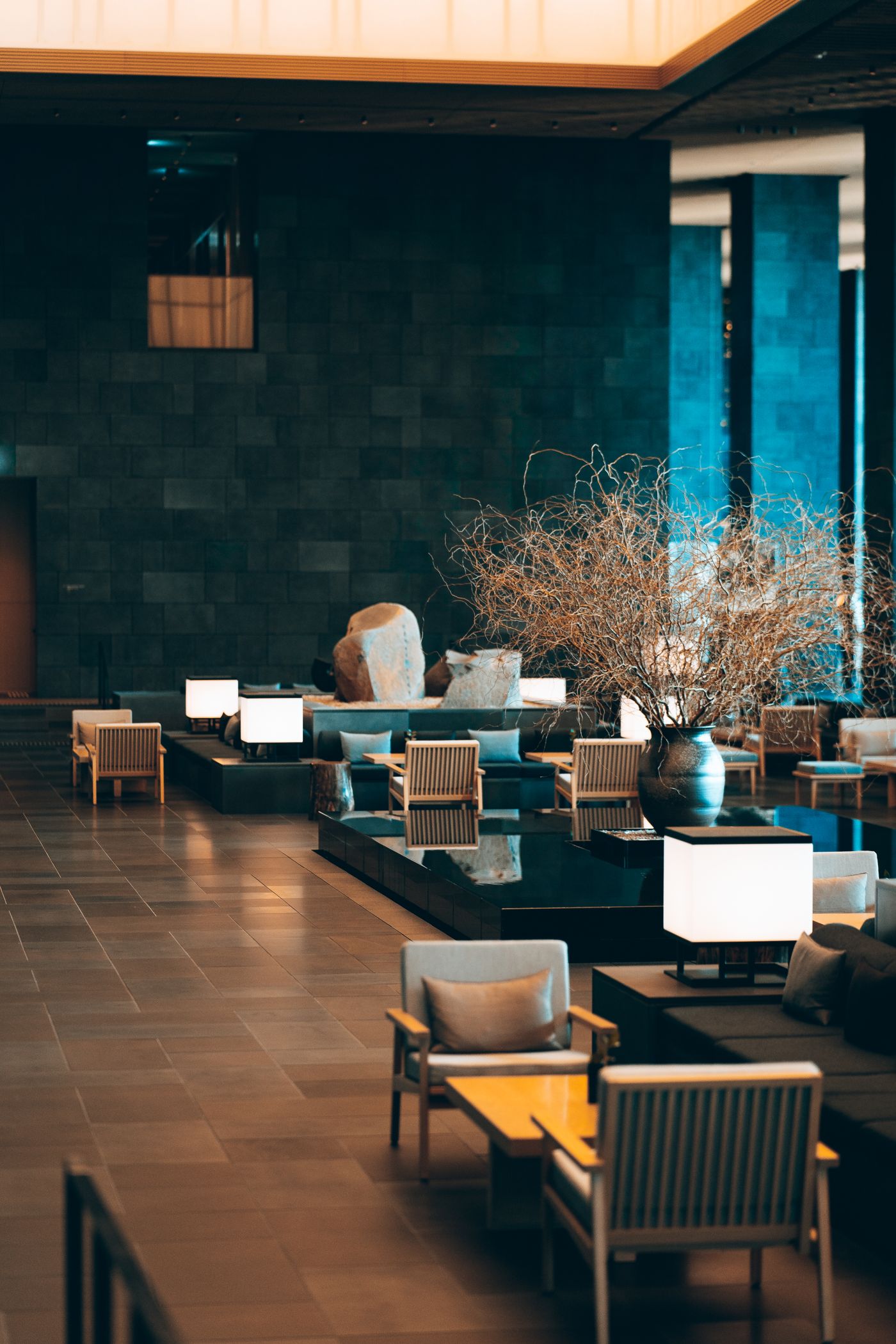
The Tokyo house, arriving in the Minami-Aoyama district in spring, will be the group's fiftieth globally and, per Hypebeast, will span two floors of club space with a rooftop pool, a wellness studio and 42 bedrooms. In Manhattan, Soho House Flatiron will be the largest the brand has built in the city, wrapped around a full-scale gym concept, a rooftop terrace and hotel rooms. Upstate, a New York edition of the Farmhouse format is already under construction. It is an impressive amount of real estate. It is also, depending on who you ask, exactly the problem.
The math of belonging
Soho House now counts roughly 270,000 members. That number is the entire argument in miniature. To a chief executive, it is proof of durable demand and a returns story worth defending—the reason a consortium led by MCR Hotels—with Ashton Kutcher joining the board—took the company private in a deal valued around $2.7 billion, freeing it from the quarterly indignities of the public market. To a member who joined when the Greek Street original still felt like a secret, 270,000 is the sound of a velvet rope being replaced by a turnstile.
A club that everyone can eventually get into is, by definition, no longer a club worth cutting a line for.
The complaint is not new, and Soho House has heard it before. Members who once found a quiet armchair now find a waitlist for one. The company's answer has been to segment its way out of the crowding—tiered memberships, city-specific access, invitation-only floors, and now the Farmhouse and countryside formats that promise the one luxury an urban house can no longer reliably offer: room. The Hudson Valley project and its Tuscan cousin are, in essence, an admission that scarcity had to be manufactured somewhere, because it could no longer be found in Shoreditch or the Meatpacking District.
Buying back the mystique
Here is the strategic wager. Growth funds the comeback; the comeback funds the properties; the properties—if they are exclusive enough, remote enough, expensive enough—rebuild the mystique that growth spent. It is a plausible loop, and the take-private deal buys the patience to run it without an earnings call interrupting every quarter. The Flatiron flagship and the Tokyo house are the volume play. The farmhouses are the hedge, the pressure valve for members who want proximity to the network without the crush of it.
Whether that hedge holds is the open question of the brand's fourth decade. Exclusivity is not a feature you can install like a rooftop pool; it is a perception, and perceptions do not scale on command. Every new house widens the funnel at the front while the company tries to narrow it again at the back through tiers and countryside retreats. Soho House is, in effect, betting it can sell the feeling of a small room to a very large number of people—and that the two facts will not eventually collide in the same lobby.
The deeper truth is that none of this was ever really about the cocktails or the calfskin banquettes. People pay to be in the right room because of who else is in it—the deal that gets floated over dinner, the introduction that would never have happened over email. What Soho House is actually selling, and struggling to protect, is proximity. And proximity, unlike square footage, gets less valuable the more of it you give away.
The room is the whole point.
The 1% is the private, verified network behind The 1% Journal — where members reach the people who actually move capital. Membership from $999.