 The
The For more than a century, the arrangement between a great department store and its best customers has been refreshingly simple. You arrive, you are flattered by the lighting, you spend, you leave. The relationship is transactional by design, and that is rather the point. Selfridges is now proposing something more binding.
This spring, Selfridges opened 40 Duke, its first-ever private members club, tucked onto the fourth floor of the Grade II-listed Oxford Street flagship. The name nods to the store's Duke Street flank, and the ambition is unmistakable: to keep the people who already spend the most inside the building longer, and to charge them for the privilege of never quite leaving.
What the Fourth Floor Buys
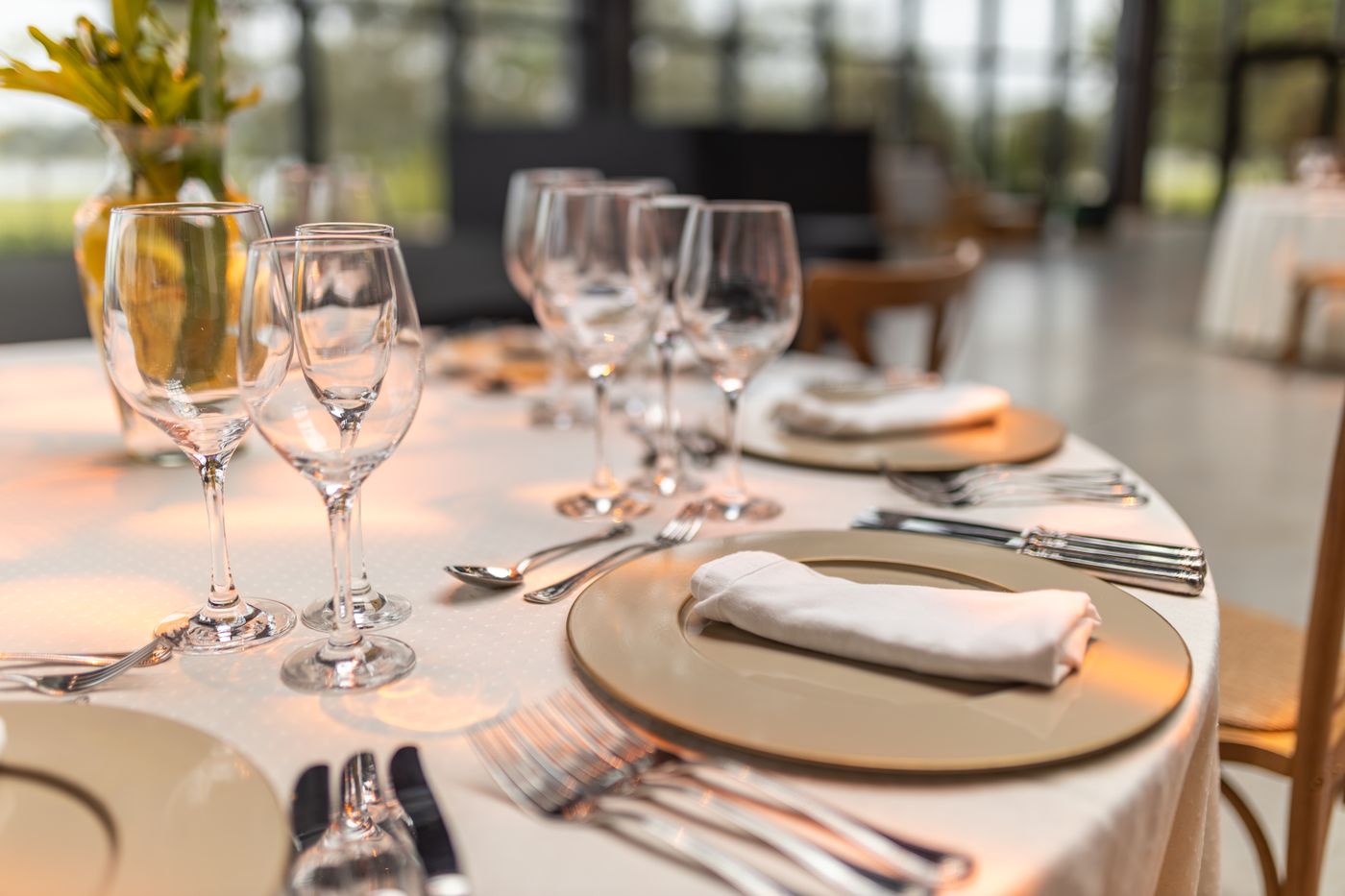
The particulars, as reported by Time Out, are exactly what one would expect from a room built to hold London's fashion class above the fray. There is a private dining room, a 64-cover Club Lounge with an eighteen-seat bar, and a terrace seating up to sixty more, shaded by a retractable canopy and, per Westminster's planning conditions, kept pointedly free of music. Members may slip in from the street or drift up through the shop floor itself. The doors stay open until half past midnight in the week and later still on weekends.
Westminster granted permission last summer, and the club opened on 1 May 2026. What Selfridges has not disclosed is the number that matters most to anyone reading this: the price of belonging. That silence is its own signal. A club that announced its fee would be selling a service; a club that withholds it is selling a verdict on you.
The 2026 Land Grab
Selfridges is not improvising here so much as joining a queue. Across luxury retail and hospitality, 2026 has become the year the sector stopped treating loyalty as a points balance and started treating it as a subscription. Hotel groups are hardening their loyalty tiers into something closer to social membership; heritage houses are opening cafes, clubs and residences that convert a customer's annual spend into an annual due. The logic is brutally sound. A shopper's wallet is fickle and shared across a dozen rivals. A member's calendar, and sense of identity, is not.
A shopper you can lose to a better window display. A member you have to be dumped by.
There is also a defensive read. Oxford Street has spent years fending off the perception that it belongs to the tourist and the tote bag, and the traditional department store has spent longer still fending off the internet. A members' floor answers both threats at once. It manufactures scarcity inside a building whose entire proposition was once abundance, and it gives the highest-value customer a reason to choose the physical store that Net-a-Porter can never replicate: other people, chosen carefully, in a room they cannot enter.
Membership as the New Margin
The financial appeal is straightforward. Retail margins are thin and cyclical; recurring dues are neither. Every member converted is a customer removed from the open market and installed on a standing order, with a terrace, a dining room and a flattering assumption of taste thrown in to soften the direct debit. Selfridges gets predictable revenue and a captive audience for everything else it sells. The member gets a table, and the quiet reassurance of having been let in.
Whether 40 Duke becomes a genuine fixture or simply another handsome room that fashion week forgets by autumn will depend on the only currency these places actually trade in, which is not champagne or canapes but company. The right room has never been about the furniture. It is about proximity, who is two seats away and what a shared threshold makes possible. Selfridges has understood the assignment: the future of luxury is not the thing you buy, but the network you are quietly counted among.
The room is the whole point.
The 1% is the private, verified network behind The 1% Journal — where members reach the people who actually move capital. Membership from $999.