 The
The Miami has always understood that in a city built on water and sunshine, the scarcest commodity is not square footage but elevation. The higher you sit, the fewer people can join you. That logic, long the quiet engine of the luxury condo market, has now migrated up the tower and into the members' club—where the newest wave of rooms is being sold not by the drink but by the floor number.
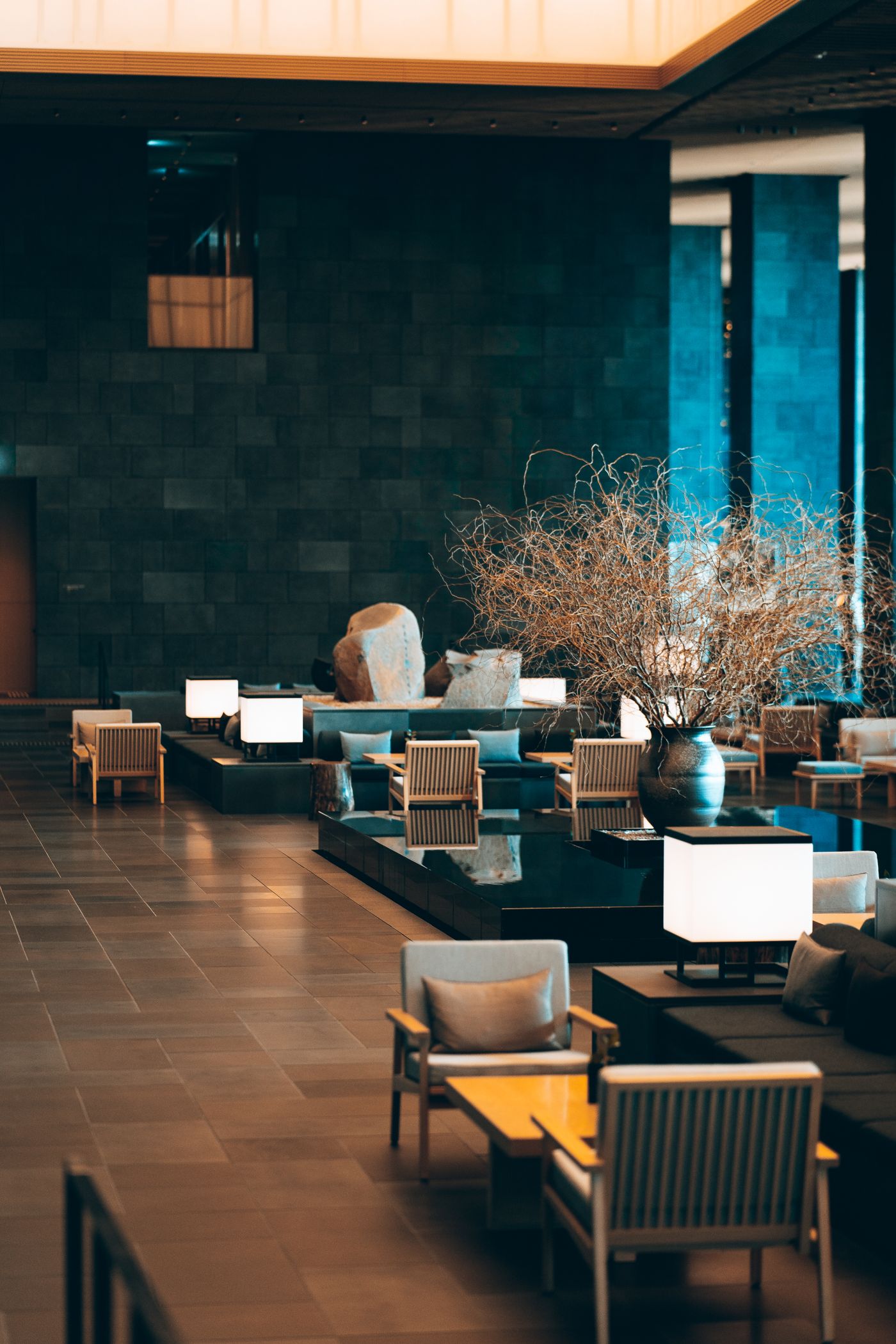
This spring's crop of openings makes the point with almost architectural literalness. Seia, the new invitation-only club perched atop 830 Brickell, treats altitude itself as the amenity: floor-to-ceiling glass, a horizon that runs from Biscayne Bay to the Everglades, and a guest list assembled with the care of a co-op board. Down the skyline, the Delano Members Club is being reborn under the banner of a brand that once defined South Beach cool, now repositioned for a clientele that has aged into wanting privacy more than a scene.
Vertical exclusivity as a business model
What distinguishes this moment from the members'-club booms of the past decade is the stacking. Miami is no longer merely adding clubs; it is layering them, floor by floor, into buildings that were designed from the blueprint stage to monetize the view. A single mixed-use tower can house offices below, residences in the middle, and a rarefied social floor at the summit—each stratum priced to a different tier of ambition, with the club as the crown that justifies the whole pro forma.
As Time Out detailed in its look inside the coming class of 2026 openings, the sell is unabashedly about who you will and will not encounter. Invitation-only is doing heavy lifting here. It signals that membership is not a transaction you complete online but a decision made about you, elsewhere, by people you may never meet.
In Miami, the elevator button has quietly become the velvet rope.
Why the view is really about the room
It is tempting to read all this as another chapter in Miami's post-2020 reinvention as a finance and tech capital—the migrants from New York and San Francisco who arrived with capital and a taste for membership models they already knew from Soho House and its imitators. That is part of it. But the vertical club is a subtler proposition than a rooftop bar with a waitlist. Its promise is proximity: the fund manager two tables over, the family-office principal who takes the same private elevator, the deal that happens because the geography of the building made an introduction inevitable.
The economics reward that promise. A club that can credibly claim to concentrate a city's decision-makers into a few thousand square feet of sky can charge accordingly, and Miami's operators are betting that scarcity of altitude reads as scarcity of access. Whether every one of these rooms delivers on that bet is another matter—Miami has a long history of exclusivity that curdles into ubiquity the moment the second location opens. The clubs that endure will be the ones disciplined enough to keep the door heavy.
Still, the underlying instinct is sound, and older than the skyline. The reason to want the right room has never really been the view out the window; it is the roster inside it. Altitude is just the most legible way Miami has found to price the thing that actually matters—who is standing near you, and how hard it is for anyone else to get there.
The room is the whole point.
The 1% is the private, verified network behind The 1% Journal — where members reach the people who actually move capital. Membership from $999.