 The
The For most of a decade, the pencil-thin silhouette of 111 West 57th Street served as a Rorschach test for the top of the Manhattan market. To bulls, it was the most beautiful tower built in the city in a generation. To skeptics, it was a monument to a thesis that never quite penciled out: that a critical mass of the world's wealthy would pay supertall premiums to live on a sliver of Midtown. This spring, the skeptics lost a little ground.
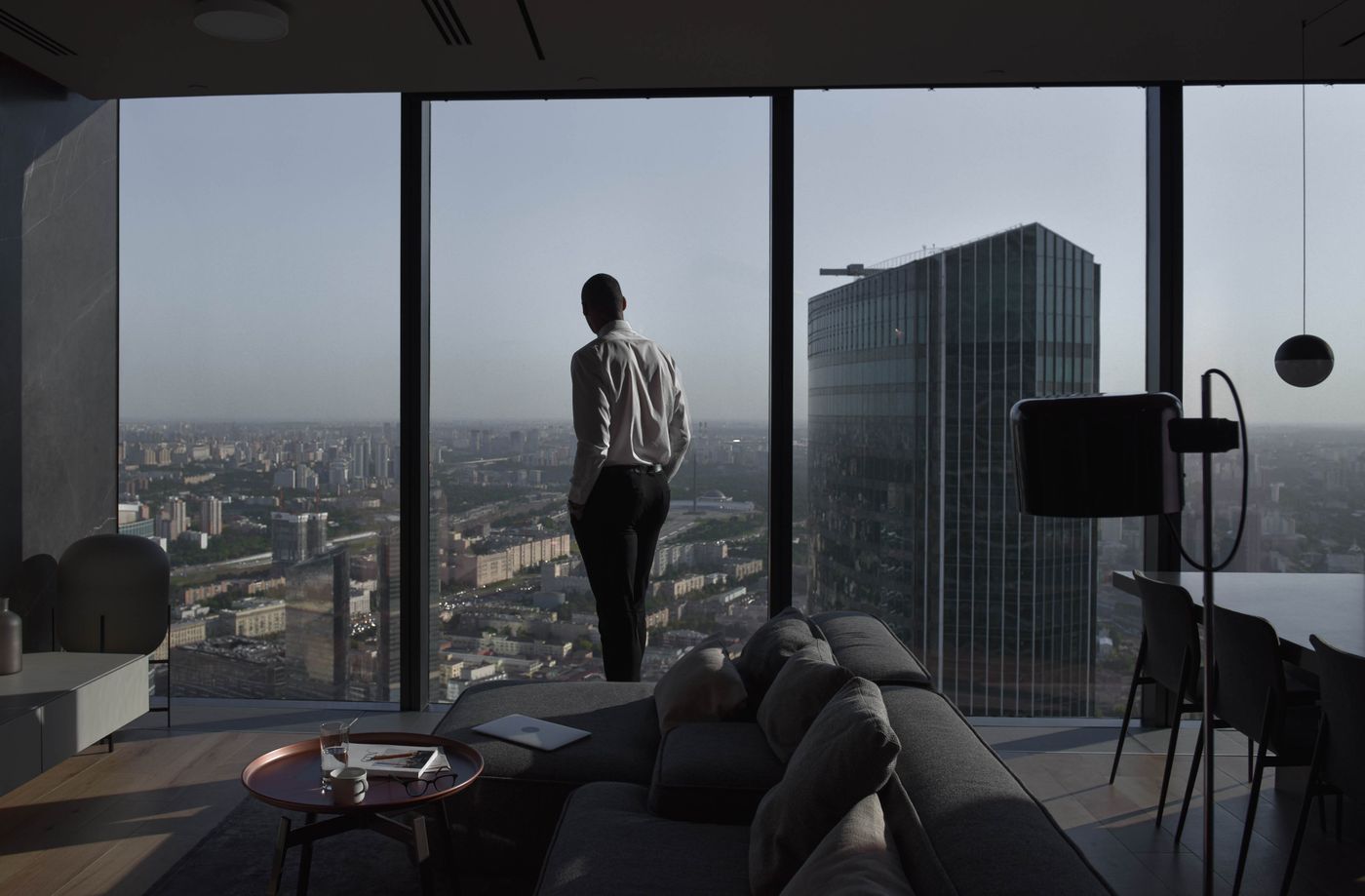
A duplex penthouse in the building, 6,512 square feet with 14-foot ceilings and a terrace hanging over Central Park, went into contract in April after years of adjustment. It had first been floated around $55 million in 2016; by the time a buyer materialized, the ask sat closer to $45 million. According to Hoodline, it was the most expensive of 39 Manhattan homes to enter contract that week, per the closely watched Olshan Realty report.
What the Deal Actually Says
Strip away the round number and the signal is subtler than a headline "sale." A contract at roughly $45 million implies about $6,900 a foot for the unit — respectable, but a long way from the $10,000-plus figures once whispered about the building's uppermost floors, and well above the roughly $4,300 a foot the building has averaged across closed sales, per The Real Deal. The Steinway Tower, developed by JDS Development and Property Markets Group, still carries a quadplex crown jewel listed near $98 million. That one remains available, a reminder that the very top of the stack clears last, and slowly.
What the deal confirms is that price discovery, however painful, works. Sellers who spent years anchoring to 2015 aspirations are meeting buyers who arrived with 2026 discipline. When the gap finally closes, the transaction prints — and one print at this altitude tends to unstick the units below it.
The trophy tier didn't recover by holding the line on price. It recovered by abandoning it.
A Category Finding Its Floor
The individual deal matters because it rhymes with the aggregate. Manhattan's luxury segment posted a heavy tally through 2025, with the ultra-prime bracket doing a striking share of the lifting. Contracts at the eight-figure level have kept pace into 2026, and the Olshan reports — which track signed contracts above $4 million — have shown the supertall category, long the market's problem child, quietly participating rather than dragging.
That is the meaningful shift. For years the Billionaires' Row towers were where inventory went to sit: gorgeous, financeable, and frozen. The thaw at 111 West 57th, alongside steady absorption at 220 Central Park South and the neighboring giants, suggests the overhang is being worked through rather than warehoused. Buyers are paying up for the finished, the view-protected, and the genuinely scarce — and passing on everything that merely aspires to those qualities.
The Discount Is the Story
None of this is a return to exuberance, and sophisticated readers shouldn't mistake it for one. The lesson of the 111 West 57th contract is that the recovery is being purchased at a markdown from the peak fantasy. That is healthy. A trophy market that only functions at record prices isn't a market; it's a waiting room. One that clears at rational numbers can actually compound.
What ultimately trades at these heights was never really square footage. It is proximity — to the park, to the skyline, and to the small, self-selecting set of people who end up as neighbors when a building holds sixty apartments and a view of everything. The right address has always been a claim on the right room, and the buyers moving now understand exactly what they are underwriting.
The room is the whole point.
The 1% is the private, verified network behind The 1% Journal — where members reach the people who actually move capital. Membership from $999.