 The
The For a generation, the flex was measured in feet: the ceiling height, the acreage, the wine cellar that held more bottles than anyone could drink in a lifetime. That vocabulary is quietly going obsolete. The new luxury metric is not how much room you occupy but how many years you intend to keep occupying it. Square footage was about scale. Longevity is about time, the one asset that has never been purchasable, and which a growing corner of the market now insists is at last for sale.
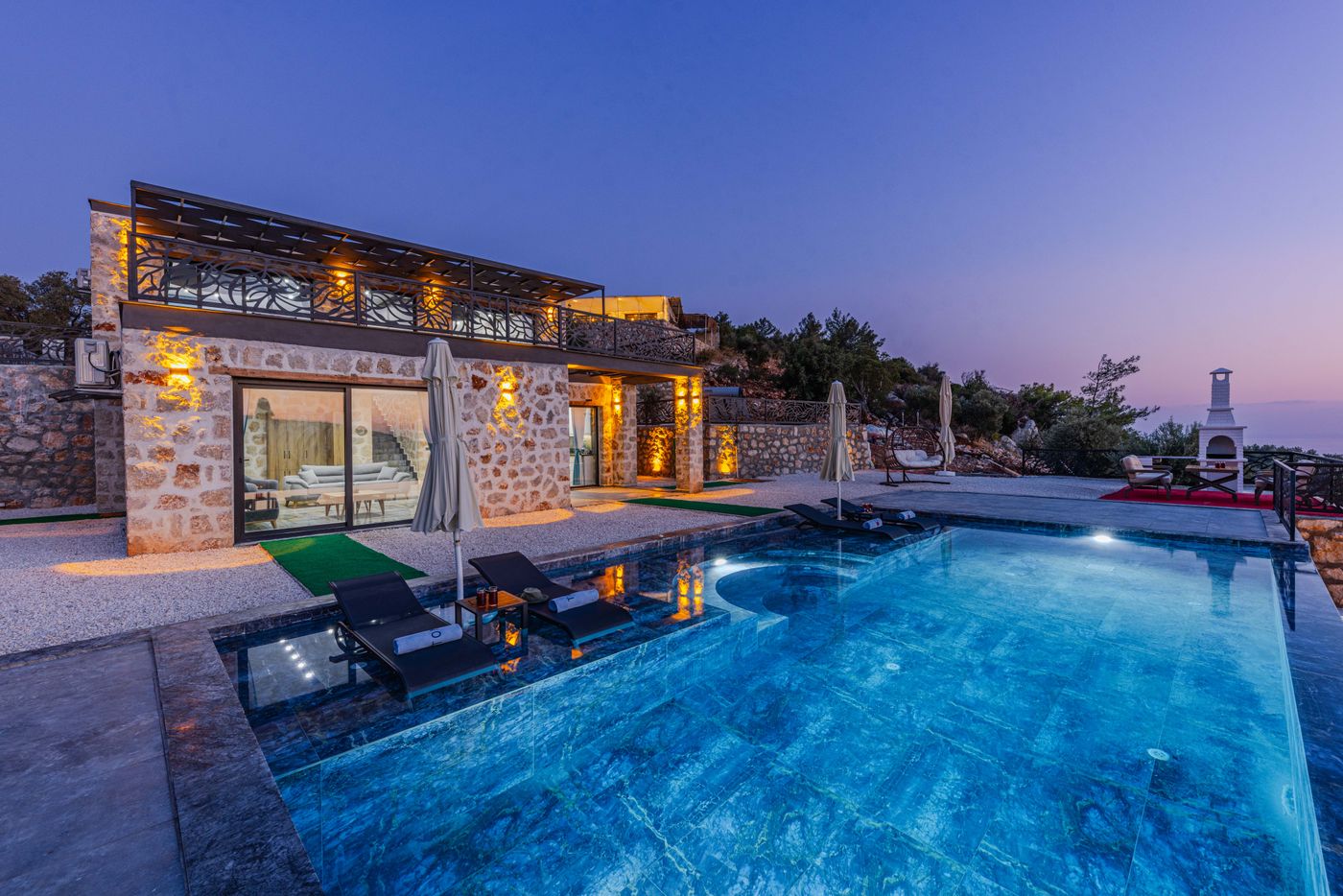
The signal is coming from an unlikely place: the real estate industry's own forecasters. In its 2026 Luxury Outlook report, released in January 2026, Sotheby's International Realty reports that roughly 60% of its agents now cite lifestyle and wellness integration as more decisive in a buyer's choice than at any point they can remember. That is a remarkable thing for a brokerage to say out loud. It means the amenity has overtaken the address.
The trillion-dollar recovery room
The context is a wellness-real-estate sector the Global Wellness Institute sized at roughly $584 billion in 2024 and projects will reach about $1.1 trillion by 2029, growing at a double-digit clip faster than almost anything else in the built environment. This is not the gym-and-juice-bar wellness of the last cycle. It is circadian lighting that resets your cortisol, whole-home water and air filtration engineered to hospital tolerances, dedicated recovery suites with cold plunges and hyperbaric chambers, and, increasingly, a longevity clinic on the ground floor or a short car ride away. The developers building branded residences have noticed that a diagnostic membership sells the apartment above it.
The amenity has overtaken the address.
The economics are less about the plunge pool than about proximity. A longevity clinic, with its full-body MRIs, continuous biomarkers and prescription peptides, is a recurring six-figure relationship, and residences are learning to underwrite themselves against it. When a building can promise not just a concierge but a clinical director, the premium stops looking like a finish upgrade and starts looking like access to a scarce human network of physicians who do not take new patients.
Why this cycle, and why now
The timing is not coincidental. Sotheby's estimates something on the order of $6 trillion changed hands as inherited wealth in 2025, and the heirs receiving it are younger, more mobile and considerably more fluent in the language of optimization than the parents who accumulated it. They arrived with foreign-buyer activity up sharply, the U.S. luxury threshold now sitting near $1.3 million, and a pronounced appetite for multi-generational homes. A house meant to hold three generations under one roof is, definitionally, a house designed to keep the eldest generation healthy in it for longer. Wellness infrastructure is where the demographics and the design brief converge.
It also solves a problem the very rich have quietly been circling for a decade. Security topped the concern list in the same outlook, and the fortified compound answers only half of it. You can gate a property against intruders; you cannot gate it against your own biology. Health infrastructure is the logical second wall, the one that keeps out the thing statistically most likely to end the good life. Framed that way, a longevity membership is not indulgence. It is the completion of the estate.
None of this should be mistaken for wellness democratizing. The plunge pools and the peptides are simply the visible surface of something older and less transferable. The genuine asset is the room where a founder learns which clinic actually delivers, which physician takes the referral, and which residence quietly comes with the introduction. Longevity, like every luxury before it, is finally a question of who you already know.
The room is the whole point.
The 1% is the private, verified network behind The 1% Journal — where members reach the people who actually move capital. Membership from $999.