 The
The Quiet luxury is not a trend that arrived with a single runway season, and stealth wealth is not a costume you buy in an afternoon. Both describe something older and more deliberate: a way of signalling status by removing the signals entirely. If you have come here searching for the new rules of quiet luxury, the old money aesthetic, or how stealth wealth actually works in practice, this is the honest version, without the moodboard clichés. The core idea is simple to state and difficult to live: real confidence has nothing left to prove, so it stops shouting.
The loud-logo era trained an entire generation to read wealth off a handbag or a hood ornament. That literacy is now so widespread that the logo has become a liability. When everyone can identify the expensive thing, the expensive thing stops meaning anything. Quiet luxury is the counter-move: value that only the informed can detect. It is a private language, and like all private languages, its purpose is partly to keep outsiders out.

What stealth wealth and the old money aesthetic really signal
Stealth wealth is best understood as an economy of attention. Overt luxury spends attention loudly and buys admiration from strangers. Quiet luxury withholds attention and buys something rarer: the recognition of peers. The old money aesthetic is the visual grammar of that second economy. It is not about spending less. It is about spending in ways that are invisible to people who do not already belong.
Consider what the trained eye actually looks for. Not price tags, but provenance. Not novelty, but continuity. Not the season's it-item, but a coat that has clearly been worn for a decade and repaired rather than replaced. The message is never "I can afford this." It is "I have never had to think about whether I can afford this." That distinction is the whole game.
The loudest thing in the room is usually the most insecure. Quiet luxury is what confidence looks like when it has stopped auditioning.
The three tells of understated wealth
- Material over marketing. Cashmere that holds its shape, leather that develops a patina, a watch chosen for movement rather than status. The value is in the object, not the story printed on it.
- Discretion as default. No account of where it came from, no unprompted price reveals, no performance of taste. If you have to explain the flex, it was never quiet.
- Time as the ultimate luxury. Things that age well, relationships that compound, memberships that took years to earn. Stealth wealth respects duration because duration cannot be faked or bought overnight.
The new rules: how to actually practice quiet luxury
Aesthetics are the easy part, and also the part most people get wrong by treating quiet luxury as a shopping list. It is a discipline of subtraction. Here are the rules that survive contact with real life.
Rule one: buy fewer, better, and keep them longer
The fastest tell of new-money anxiety is churn: a wardrobe, a garage, a home that resets every eighteen months to stay current. Old money moves in the opposite direction. It finds the right version of a thing and then stops shopping. A well-made overcoat, a single excellent watch, a pair of shoes resoled rather than discarded. The restraint is the statement.
Rule two: remove the logo, keep the quality
You are not hiding wealth by going cheap. You are relocating the signal from the surface to the substance. The unbranded piece that costs more than the branded one is the entire premise. When the badge is gone, only the informed can read the object, and reading it becomes a small test of belonging.
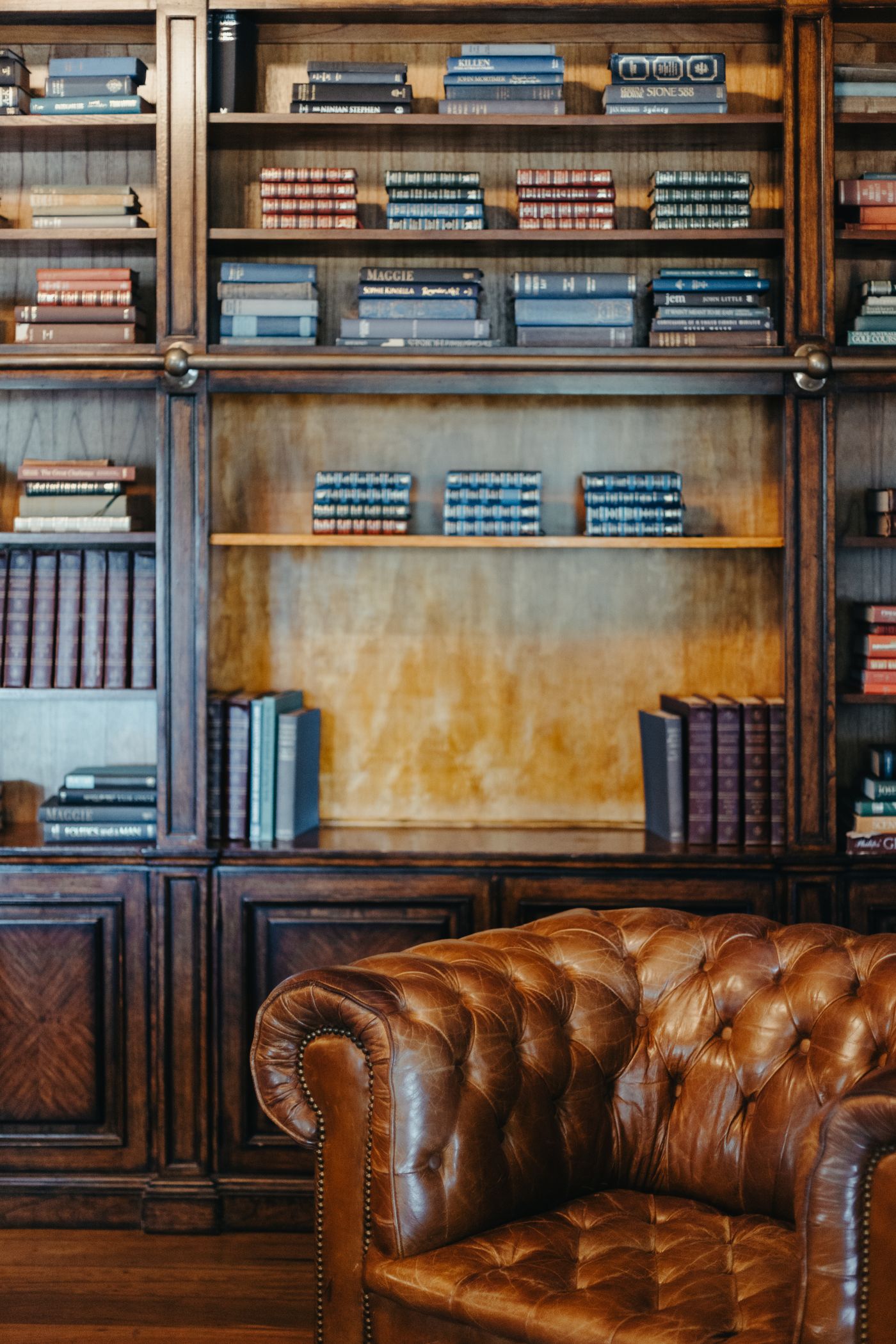
Rule three: let your surroundings do the talking
Stealth wealth expresses itself through spaces and access more than through objects worn on the body. A considered home, art chosen because you love it rather than because it appreciates, a table at a restaurant that does not take reservations from the public. These signals are invisible on social media, which is precisely the point. They are legible only to people who are already in the room.
Rule four: guard your circle more carefully than your closet
Here is the rule almost every quiet-luxury guide misses. The old money aesthetic is not really about clothes at all. It is about who takes your call. The wealthiest people alive spend far more energy curating their relationships than their wardrobes, because access is the one asset that never depreciates. A jacket can be copied in a season. A verified, trusted circle of peers cannot be copied at all.
Why discretion became the last real status symbol
Scarcity is what gives any signal value, and in an age of infinite visibility, the scarcest thing is privacy. Anyone can broadcast. Almost no one can be genuinely selective about who they let in. That is why the true modern flex is not a possession you show the world but a room the world cannot enter.
Old money understood this instinctively through clubs, boards, and introductions that money alone could not buy. The mechanism was always the same: a boundary, a vetting process, and a shared assumption that everyone inside had already been checked. The discretion was not incidental. It was the product.
Quiet luxury, taken to its logical conclusion, is therefore less about how you dress and more about the quality of the people you can reach without asking permission. The suit is the surface. The network is the substance. And the substance is where the real, durable status lives.
Translating the old money aesthetic into a modern network
The uncomfortable truth for anyone building this deliberately is that the classic gateways were inherited. You were born into the club, the school, the family that already knew everyone worth knowing. What has changed is that verification, not lineage, has become the entry criterion. If a space can prove that everyone inside genuinely belongs, it recreates the old boundary without requiring a surname.
That is the shift worth understanding. Quiet luxury in the physical world says: I do not need you to know what this cost. Quiet luxury in the social world says: I do not need you to know who I am connected to, because the people who matter already know, and the door is already open to me.
The quietest flex is the room you are already in
The 1% turns discretion into access. A verified $999 Membership gives you a genuine 1% digital membership card, the understated proof that you belong. Add 1% Network Access, a $999/year subscription, and you unlock a global directory of verified members with direct member-to-member messaging. No logos, no noise, just the room.
The takeaway: subtract the noise, keep the substance
Quiet luxury and stealth wealth are not aesthetics you perform for strangers. They are the natural posture of people whose worth is already settled among the people who count. The old money aesthetic strips away the logo because the logo is a message to outsiders, and outsiders are not the audience. Refine what you keep, guard who you let in, and let the loudest thing in the room always be someone else. The truest luxury was never the thing everyone could see. It was the door everyone else could not open.