 The
The There is a particular silence that money buys in 2026, and it is not the hush of a Bentley cabin or a helipad at dawn. It is the silence of a room you cannot photograph, in a building with no sign, whose address circulates only among people who already belong. The handbag no longer does the talking. The membership card does.
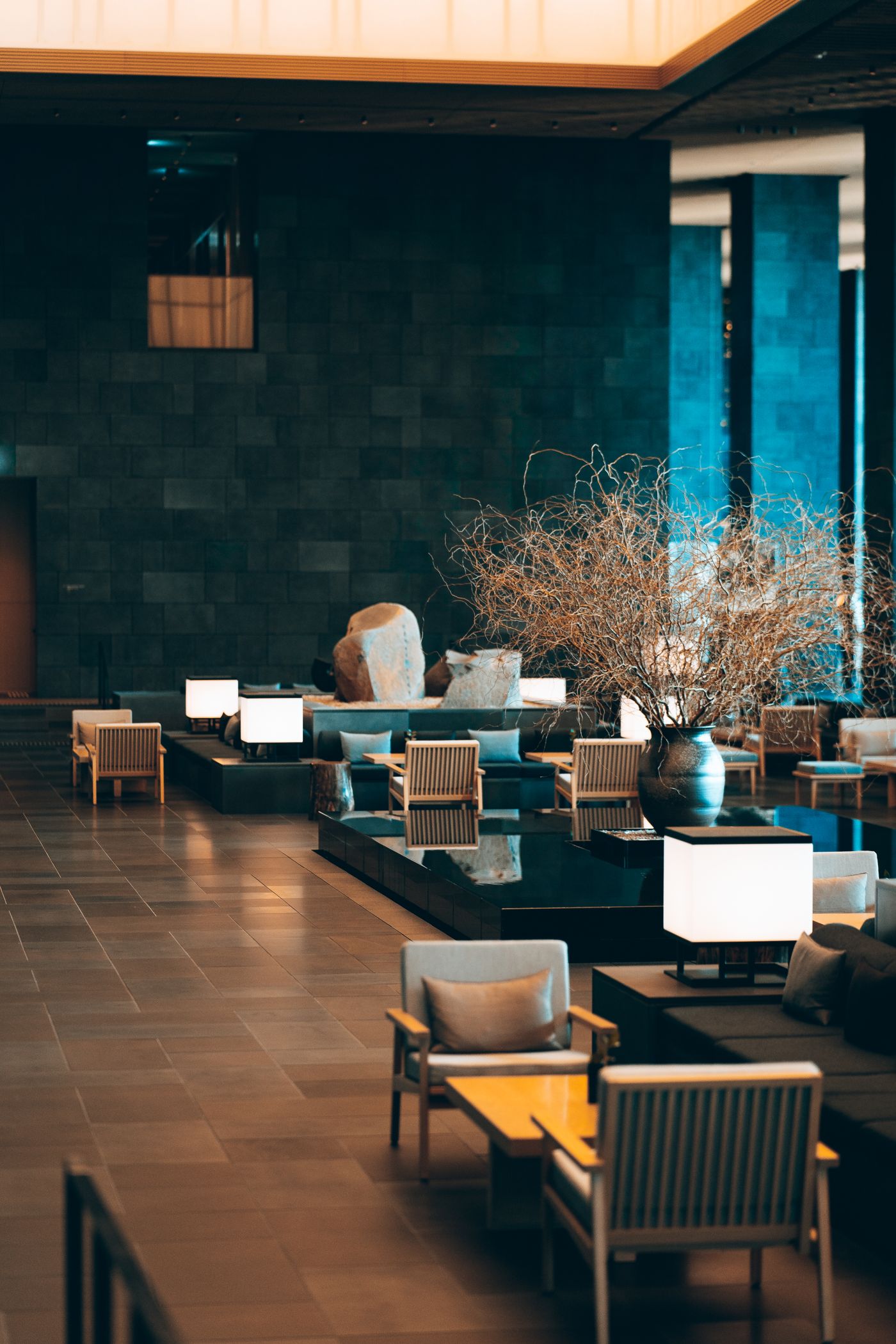
The numbers behind this shift are genuinely startling. By recent industry counts, more private members' clubs have opened in the past five years than in the previous three decades combined, according to reporting by CNN. London and New York are the twin epicentres, but the fever has spread to Miami, Los Angeles, Dubai and a clutch of second cities that suddenly want their own velvet rope. What was once a quaint, clubbable eccentricity has become a bona fide asset class.
From logo to key card
The tell is Selfridges. The department store—the temple of conspicuous consumption, the place you went precisely to be seen buying—has gated a members-only space called 40 Duke, reserved for its top loyalty tier (its "Very Very Selfridges Person" members). Read that again. The building whose entire nineteenth-century business model was public spectacle now hides some of its best real estate from the public. When the cathedral of shopping decides the real luxury is a door most shoppers can't open, the culture has already turned.
The building whose business model was public spectacle now hides a members-only section of its flagship from the public.
This is the quiet-luxury thesis taken to its logical end. For a decade the ultra-wealthy have been peeling logos off their clothes; the natural next move is to spend on things that leave no visible trace at all. A club membership is the purest expression of that instinct. It signals nothing to the street and everything to the fifty people who matter. You cannot counterfeit it, resell it on a grey market, or wear it to impress a stranger—which is exactly the point.
The economics of the velvet rope
Operators have noticed that scarcity, properly manufactured, is the highest-margin product in hospitality. Joining fees running well into five figures, annual dues on top, and waiting lists measured in years have turned membership rolls into something close to recurring revenue with a moat. The old Soho House model—grow the footprint, grow the members—has curdled into cautionary tale; the new entrants are betting on the opposite, capping numbers and leaning into exclusion as the entire value proposition. Dilution, they have learned, is the one thing a member will never forgive.
And the clubs themselves have multiplied by category. There are the art-world rooms, the finance rooms, the founder rooms, the women-only rooms, the ones organised around a single sport or a single vintage. The proposition is no longer "somewhere nice to drink." It is curation: a promise that everyone in the room has been vetted, that the person beside you at the bar is worth the conversation. You are not buying a cocktail. You are buying a filtered population.
Skeptics will note that a boom this steep usually ends in a glut, and they are probably right that some of these rooms will quietly empty when the novelty and the cheap money both run out. But the underlying appetite is not a fad. In an age when almost any object can be bought overnight and flaunted online by anyone with a payment plan, the last genuinely scarce good is the company you keep—and the door that decides who keeps it with you.
That is what the land grab is really about. Wealth has always been a proxy for something less liquid: proximity to the people who move first, hear first, decide first. The clubs are simply the newest architecture for an old truth—that the deal, the introduction and the edge still happen in a room, and that the whole game is being in it.
The room is the whole point.
The 1% is the private, verified network behind The 1% Journal — where members reach the people who actually move capital. Membership from $999.