 The
The There is a particular tell among the very rich when a hedge stops being exotic. The family office stops calling it a hedge. It becomes, simply, an allocation, a line on the statement that requires no defense at the quarterly review. Gold has now crossed that threshold. With spot prices punching through $5,000 an ounce and the assets held in gold-backed exchange-traded funds doubling to a record of roughly $559 billion, the metal has completed a quiet migration from the margins of the portfolio to its structural core.
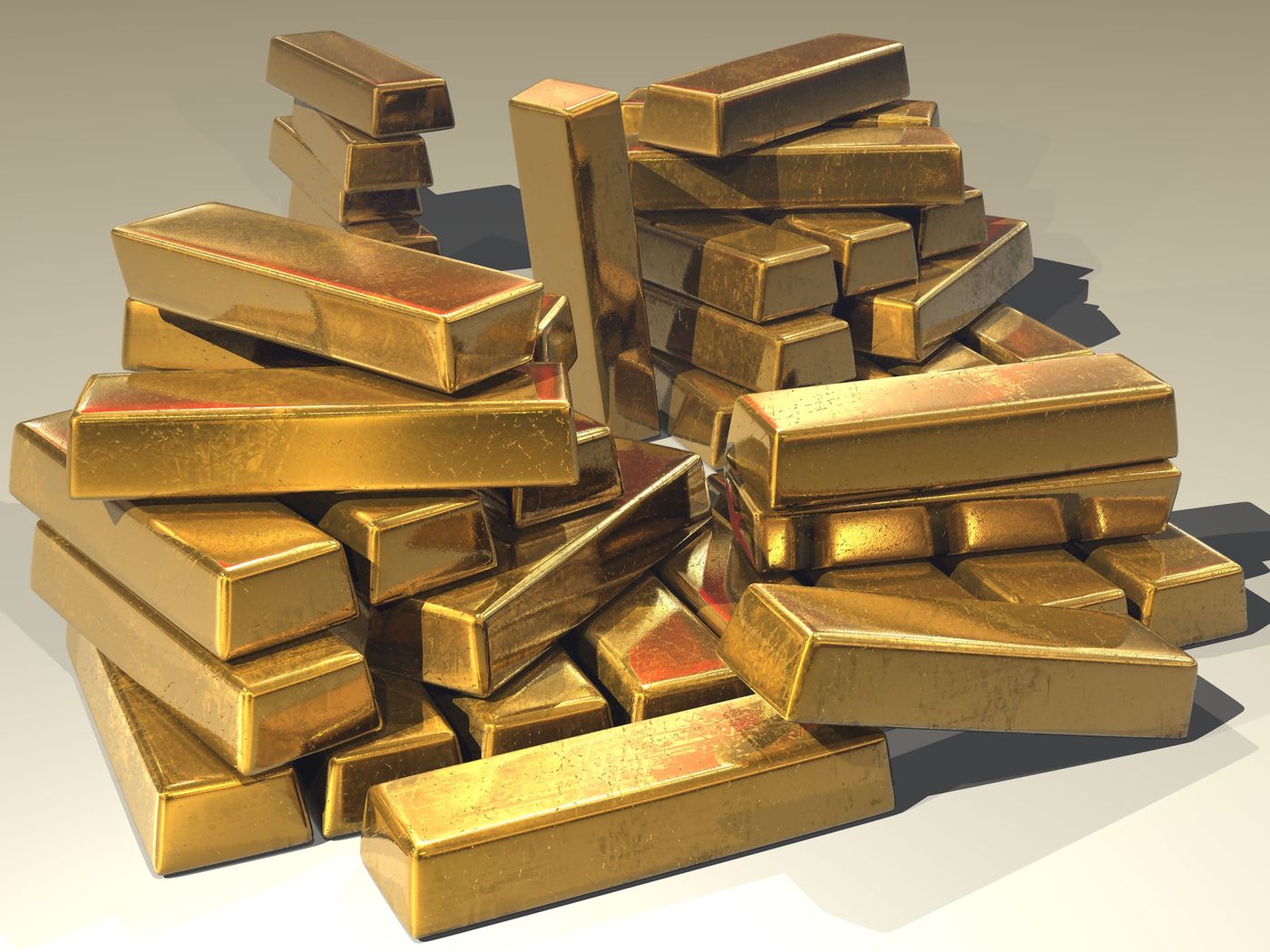
The scale of the move is worth sitting with. A doubling of ETF holdings in a single cycle is not the behavior of speculators chasing momentum. It is the signature of large, patient pools of capital rebuilding a position they had spent two decades trimming. As Bloomberg has documented, this leg of the rally is being driven less by the retail impulse to buy an inflation story and more by institutions treating bullion as a currency substitute in an era when they no longer fully trust the currencies on offer.
What the debasement trade is actually pricing
The phrase "debasement trade" is doing a lot of work, and it is worth being precise about what it means to the people putting real money behind it. This is not the old goldbug thesis that consumer prices are about to spiral. It is a bet on the arithmetic of sovereign balance sheets. Deficits in the United States and across the developed world are running at levels once reserved for wartime, the stock of debt keeps compounding, and the politically convenient path out is the one every indebted sovereign eventually finds tempting: let the real value of the obligations erode. Gold is the cleanest expression of skepticism that this ends cleanly.
You cannot print an ounce of gold, and in 2026 that sentence has stopped sounding quaint.
Layered on top is a genuinely new anxiety: the independence of the central bank itself. When markets begin to price the possibility that a Federal Reserve might be pressured toward accommodation for reasons that have nothing to do with the dual mandate, the premium on an asset that answers to no central banker rises accordingly. Gold pays no coupon and generates no cash flow, which used to be its cardinal weakness. In a world of political interference risk, that indifference to policy is precisely the point.
The buyers who don't blink
The most important participants in this market are not the ones you read about in the retail flow data. Central banks, particularly across Asia and the emerging world, have spent years accumulating bullion as a deliberate hedge against the weaponization of the dollar-based financial system. That official-sector buying is price-insensitive in a way that private demand never is. A sovereign reserve manager diversifying away from Treasuries is not waiting for a better entry point; the diversification is the goal, and the price is what it is. That steady, structural bid is a large part of why each pullback has been shallower than the last.
For the private client, the implication is a reframing rather than a trade. The question is no longer whether to own gold but how much, and in what form. Allocations that a decade ago would have raised eyebrows at a conservative wealth committee now read as merely prudent. Physical bullion, vaulted and audited, has quietly returned to the conversation alongside the ETFs, driven by the same instinct that animates the whole trade: a preference for assets that sit outside anyone else's promise to pay.
The uncomfortable questions underneath
None of this makes gold a free lunch. An asset that has already doubled institutional demand and cleared a psychologically enormous round number is, by definition, no longer cheap, and a metal with no yield punishes latecomers who mistake a regime shift for a guarantee. The debasement thesis is a statement about the direction of fiscal and monetary trust, not a promise about next quarter's tape. If confidence in central banks and sovereign discipline were somehow to be restored, gold's rationale would soften considerably.
But that is the wager the smart money has made, and it is a wager about institutions rather than inflation. The real edge in a moment like this is rarely the position itself, which anyone can replicate through a ticker. It is knowing which reserve managers are quietly buying, which family offices moved early, and which vaults still have capacity, before any of it reaches the tape. That intelligence does not circulate in public. It moves through the rooms where the people making these decisions actually talk to one another.
The room is the whole point.
The 1% is the private, verified network behind The 1% Journal — where members reach the people who actually move capital. Membership from $999.