 The
The For a decade, the land-based luxury hoteliers eyed the water the way a private-equity firm eyes a family business: with patience and a spreadsheet. Ritz-Carlton went first, in 2022, with a fleet of trim, over-designed vessels. Aman announced its own ship and, in the manner of Aman, kept everyone waiting. Four Seasons watched, took notes, and in March 2026 finally sailed Four Seasons I out of the shed. The lesson it seems to have drawn from the field is blunt: at this altitude, the differentiator is not the thread count. It is the acreage.
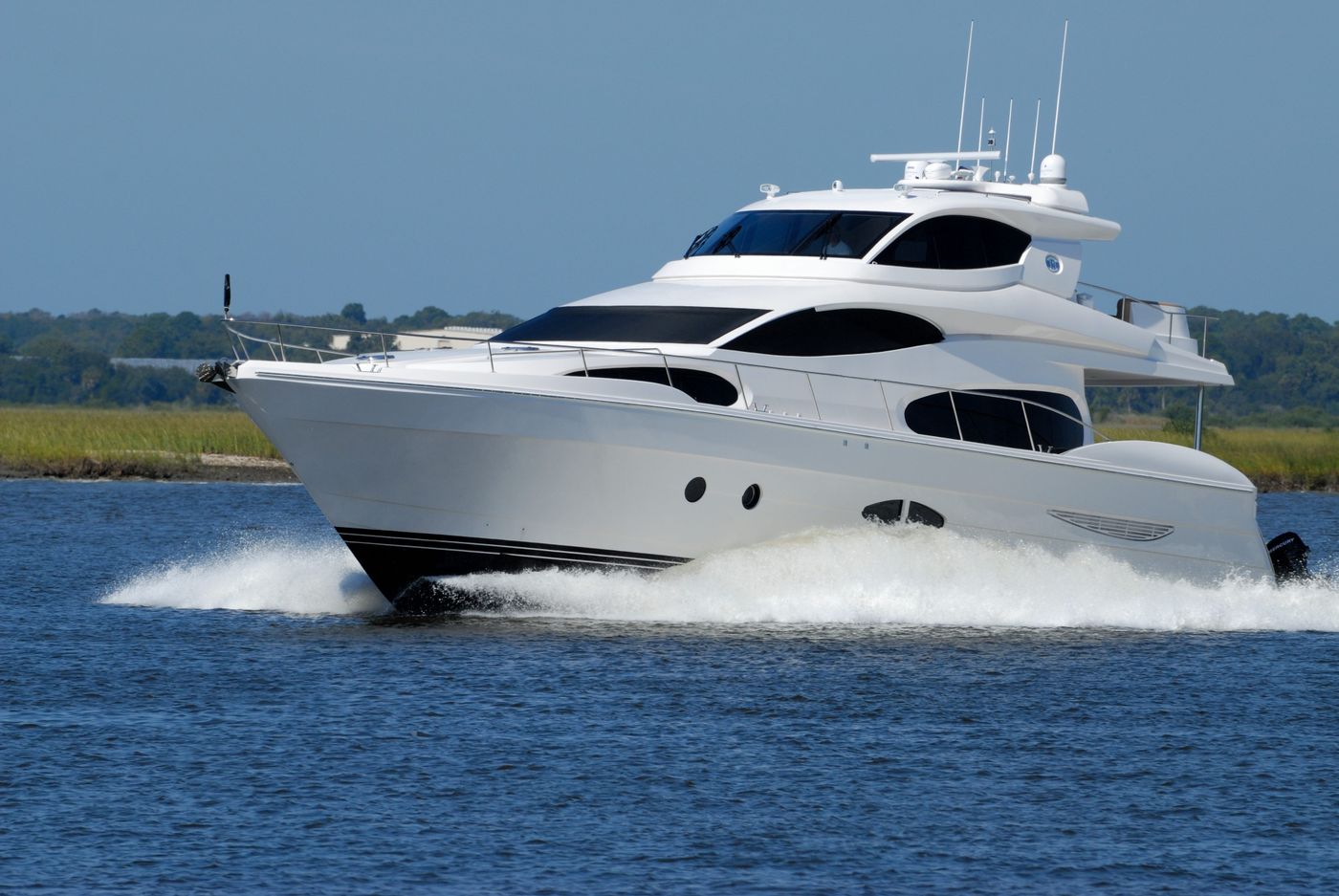
The numbers, per Four Seasons, make the thesis plain. The ship runs 207 metres and carries just 95 suites, none of them interior. That guest count is intimate for a vessel this size, and it produces the figure the brand wants you to fixate on: a one-to-one guest-to-staff ratio. For context, a well-run city hotel considers three-to-one generous. Here, every guest effectively arrives with a personal complement of crew, which is less a service promise than a structural one.
The suite as flagship product
The headline accommodation is the Funnel Suite, so named because it wraps the ship's funnel, and it sprawls across nearly 10,000 square feet. That is not a suite; it is a detached home in most desirable ZIP codes, one that happens to relocate to a new coastline while you sleep. Four Seasons claims it holds the largest contiguous piece of glass ever put to sea, which is the sort of superlative that means little until you are standing behind it as the Amalfi coast slides past. A step down, the Loft Suite offers nearly 8,000 square feet, in case 10,000 reads as ostentatious.
A well-run hotel calls three-to-one generous. This ship promises one-to-one, which is less a service pledge than a structural fact.
The rest of the vessel is provisioned to match. There are eleven distinct restaurants and lounges, a Chef-in-Residence program that rotates Michelin-decorated talent through the galley, and a spa, L'Oceana, built around a thermal circuit with the full contemporary arsenal: hammam, cryotherapy, infrared, hydrotherapy. None of this is revolutionary on its own. The point is the ratio of all of it to only 95 suites. Scarcity, engineered.
A war measured in square feet
What Four Seasons is really doing is repositioning the category. Ritz-Carlton's ships trade on yacht-like nimbleness and the ability to slip into smaller harbours. Aman, when it eventually sails, will trade on the near-monastic restraint that made its resorts a cult among people who could afford anything and chose to buy silence. Four Seasons has staked out the opposite corner: maximalist space, delivered with the operational polish of a brand that has spent forty years learning how not to fumble a guest.
The inaugural season underlines the ambition. Thirty-two voyages spread across fifty-two sailings, touching some 130 destinations in more than thirty countries, wintering in the Caribbean and Bahamas and summering in the Mediterranean, the two theatres where the relevant clientele already keeps houses and boats. A second ship, Four Seasons II, is slated for 2027, which tells you the company is not testing the water so much as annexing it.
Pricing was, predictably, left off the press release, which is itself a signal; when a brand declines to name a number, the number is not the constraint. The constraint is the room. There are only 95 of them, and the people who will fill them are the same few thousand who fill the front rows of every private circuit worth being in. A ship like this is not finally about the view through the largest expanse of glass at sea. It is about who is standing beside you when the tender pulls up, and whether the same faces reappear next season. Space buys privacy, and privacy is the setting in which the right introductions get made.
The room is the whole point.
The 1% is the private, verified network behind The 1% Journal — where members reach the people who actually move capital. Membership from $999.